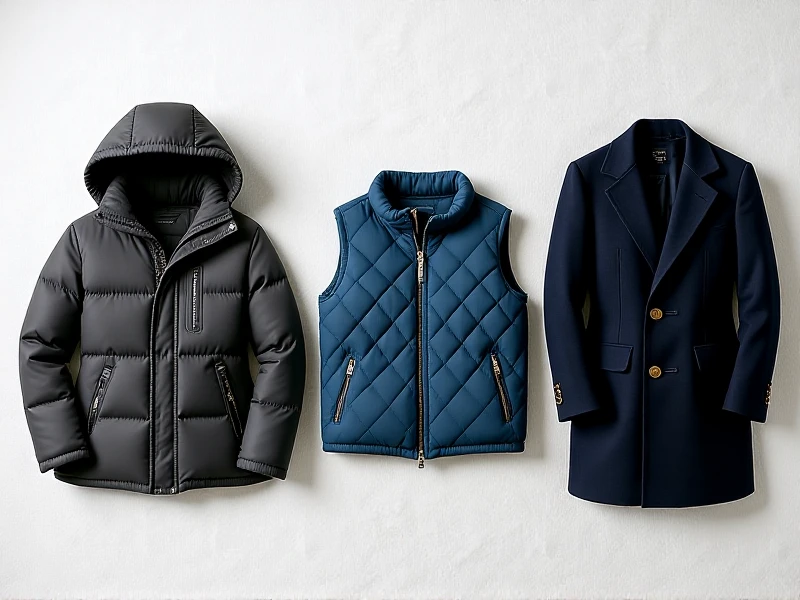
9 Down Jacket Tips to Stay Incredibly Warm This Winter
Here is an SEO-optimized article targeting the keyword "Down Jacket":
As winter's grip tightens, reliable warmth becomes essential. Nothing beats the exceptional coziness and insulating power of a quality down jacket. But what makes down jackets so remarkably warm, and how do you choose the right one? Let's break it down.
Down is the incredibly soft, fluffy undercoating found beneath the feathers of geese and ducks. Its magic lies in its unique cluster structure. Each tiny plume traps pockets of air, creating a highly efficient thermal barrier that minimizes heat loss. This natural insulation offers an unmatched warmth-to-weight ratio – a top-tier down jacket can provide stellar warmth without the bulk of synthetic alternatives.
Why a Down Jacket Reigns Supreme:
- Unbeatable Warmth: Pound for pound, high-fill-power down offers superior warmth compared to most synthetic fills.
- Lightweight & Packable: Quality down jackets compress incredibly small, making them ideal for travel, backpacking, or stashing in a bag when not needed.
- Long-Lasting: With proper care (more on that later), a down jacket retains its loft and insulating power for many seasons. Investing in quality genuinely pays off.
- Breathable Comfort: Down allows some moisture vapor to escape, reducing that clammy feeling during moderate activity.
Choosing Your Perfect Down Jacket: Consider these key factors:
- Fill Power: This measures the loftiness (quality) of the down, ranging from 400 (entry-level, heavier) to 900 (super premium, lightest weight). Higher fill power generally means better warmth-to-weight efficiency and compressibility. 700-fill offers a great balance.
- Fill Weight: The actual amount of down used (e.g., 120g, 200g). More fill usually equals more warmth, especially when combined with high fill power. Match fill weight and fill power to your climate and activity level.
- Shell Fabric: Must be wind-resistant and durable. Look for tightly woven materials, potentially with a DWR (Durable Water Repellency) finish for light moisture protection.
- Construction: Look for "baffle walls" separating pockets of down. Sewn-through baffles (visible stitching lines) are lighter but can have cold spots. More complex box wall or offset baffles maximize warmth distribution.
- Ethical Sourcing: Reputable brands increasingly use Responsible Down Standard (RDS) or similar certified down, ensuring ethical treatment of birds.
Caring for Your Investment: Avoid frequent washing. When needed, use a specialized down wash on a gentle cycle, rinse thoroughly, and dry completely in a large dryer with clean tennis balls or dryer balls to restore fluffiness. Damp down clumps and loses loft.
When Synthetic Might Be Better: While less efficient weight-wise, synthetic insulation often performs better when actively wet as it doesn't clump as drastically as wet down. If you anticipate prolonged rain or very humid conditions, a high-quality synthetic parka or a down jacket with a waterproof shell might be preferable.
A truly great down jacket is an indispensable companion for frigid days, city streets, snowy slopes, or winter adventures. Understanding down empowers you to choose the perfect warm layer tailored to your cold-weather needs. Find yours and embrace the cold confidently!